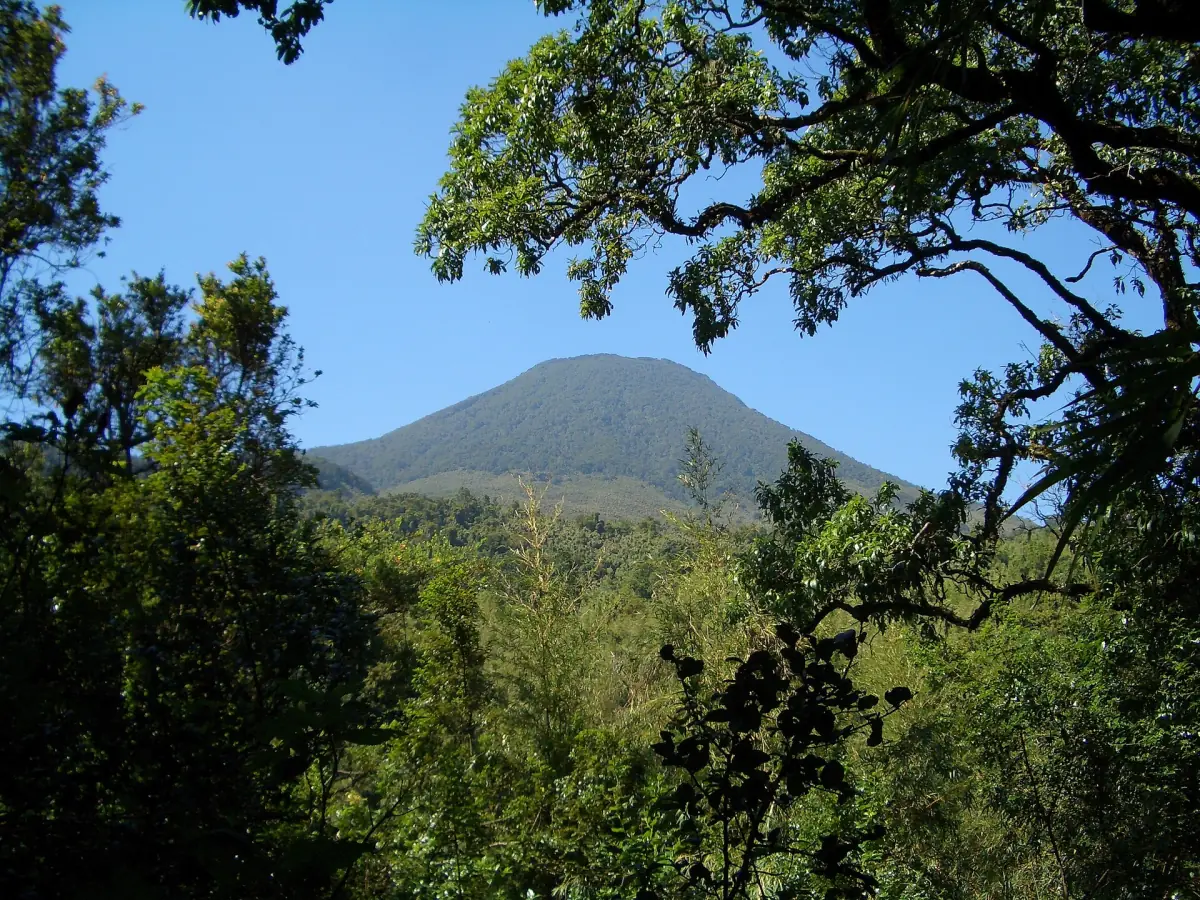
Bwindi history in short
Bwindi's protection happened in stages. That is why you see different years for "the founding". The forest became a reserve in 1932, a gorilla sanctuary in 1961, a national park by decision in 1991, a legally named park in 1992 and a World Heritage Site in 1994. These are separate events, and none of them is the single date of origin.
Today the park draws visitors from around the world for gorilla trekking. If you want to see what a visit involves, start with gorilla trekking in Bwindi.
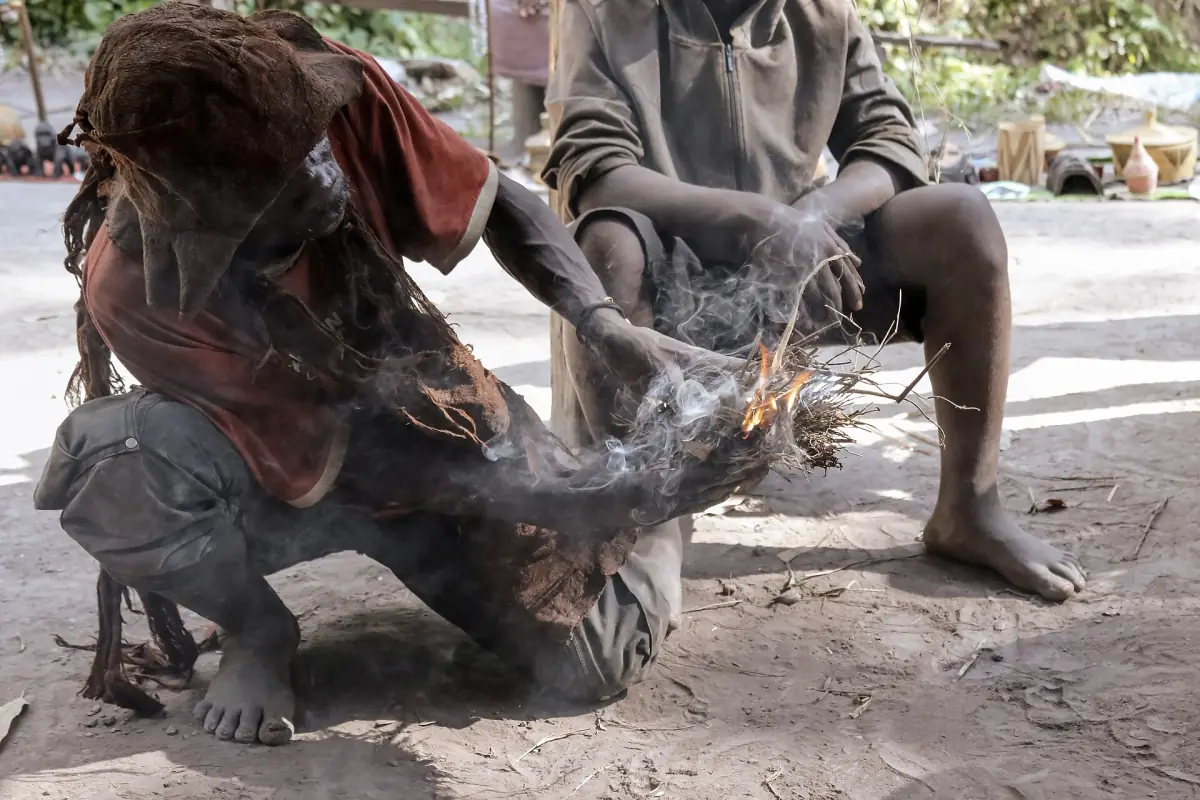
Our pick: a Batwa cultural visit
A visit led by Batwa community members, with demonstrations of traditional hunting and gathering.
Hand-picked tours, booked through GetYourGuide. Prices are indicative starting prices in US dollars (as of October 2026). Tap a tour for live availability and the current price in your currency.
Gorilla trekking tours in Bwindi
Guided trips to the forest described on this page, from permit-only days to multi-day safaris.
Timeline: from reserve to World Heritage
The dates in order.
1932: forest reserve
The forest was set aside as a reserve. Limits on how local people used it began around this period.
1961: gorilla sanctuary
A gorilla sanctuary gave the animals added protection.
13 August 1991: national park decision
The decision to create a national park was taken. This was also the year the Batwa were removed from the forest. Mgahinga became a national park in the same year.
The Batwa of Bwindi →1992: legal name
The park received its legal name, Bwindi Impenetrable National Park, in the statute.
April 1993: first tourism group
A gorilla family called Mubare in Buhoma was the first to be habituated for tourism.
1994: World Heritage
UNESCO inscribed the park in 1994, under natural criteria (vii) and (x). The years 1991 and 1992 mark the park decision and its statute.
Why dates and numbers differ
Dates, sizes and heights vary.
You may see different years for the park, different sizes and different heights. Part of the reason is the stages above: a reserve, a sanctuary, a park decision and a statute can each be called a "founding". The other part is that heights and areas depend on how and by whom they are measured. Treat the dates on this page as the legal steps, and the highest point as a rough guide only.
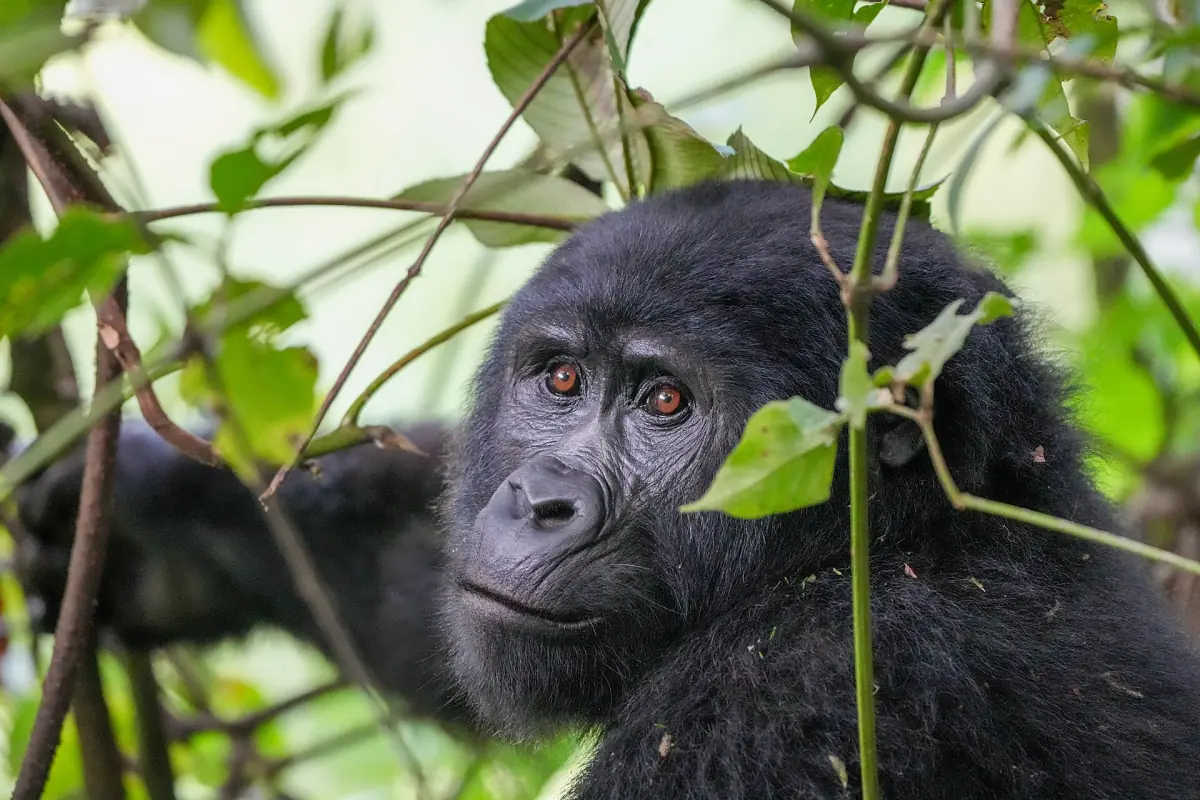
Gorilla numbers have a similar history. The count of at least 459 dates from 2018, and the subspecies was moved to Endangered that year. The results of a new survey covering 2025 and 2026 are still awaited, so any figure you see for "today" is an estimate. The mountain gorillas page explains the counts in detail.
Bwindi Impenetrable Forest: what the name means
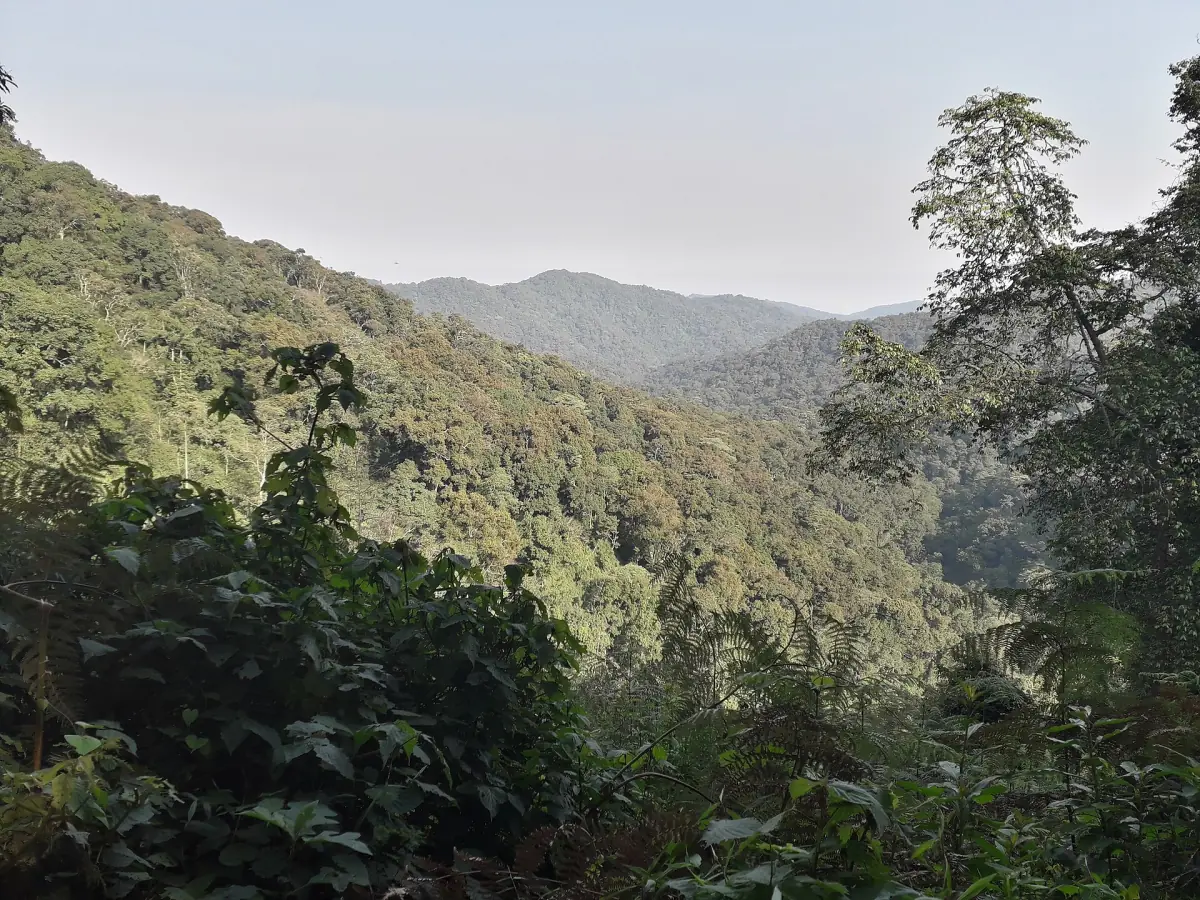
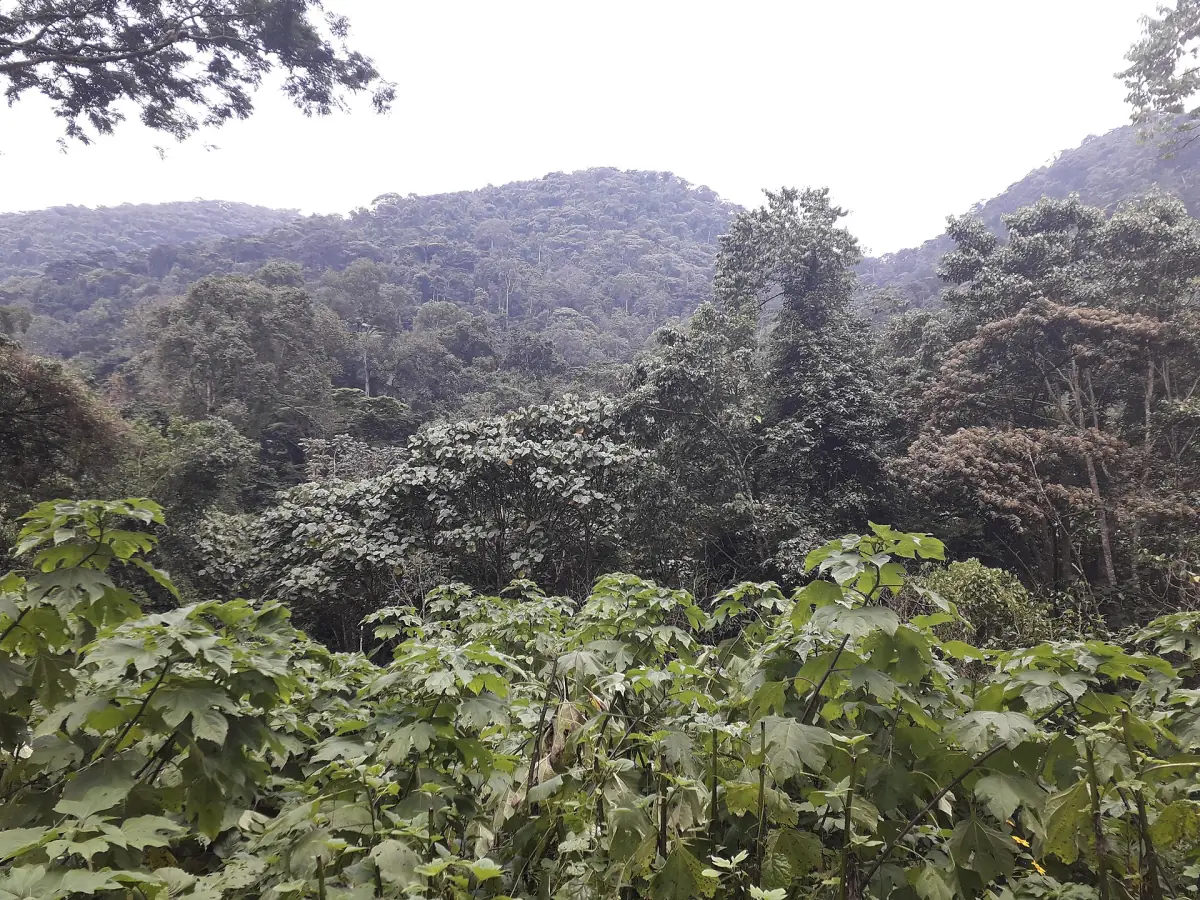
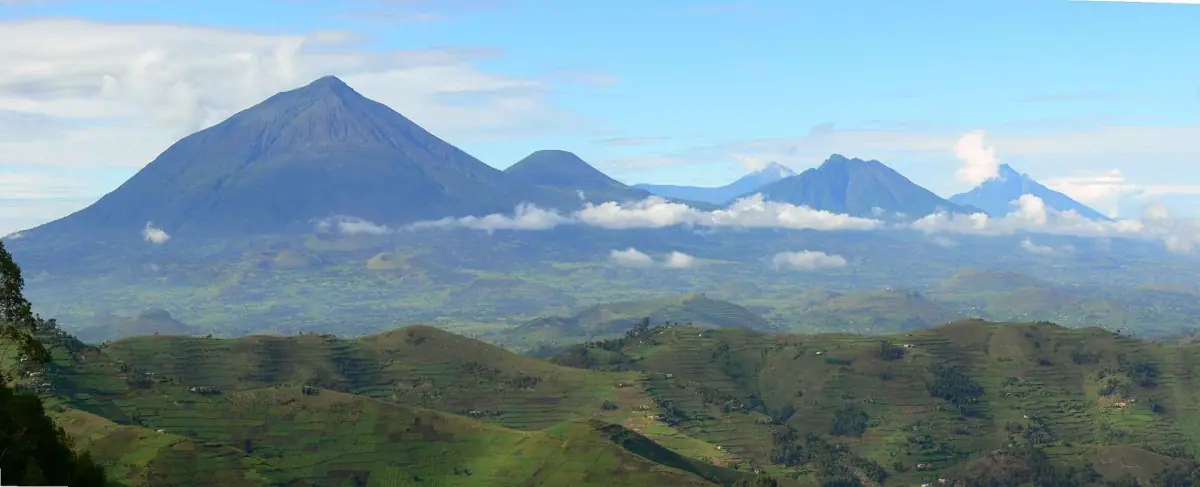
"Impenetrable" is part of the park's official name. It is the English word, meaning very hard to get through. The forest grows on steep ridges and in deep valleys, from 1,160 m up to roughly 2,600 to 2,700 m.
The park covers about 321 km² on the Albertine Rift. The forest holds more than 160 tree species, more than 100 fern species and more than 350 bird species.
Tourism and the park today
From the first group to four sectors.
Gorilla tourism began in Buhoma in April 1993. It later grew into four sectors, Buhoma, Ruhija, Rushaga and Nkuringo, each with its own briefing point. Our sector comparison shows how they differ.
On 1 March 1999, an attack at Bwindi killed at least eight foreign tourists. It belongs to the history of the park and should not be read as a measure of risk today. For current official travel advice, check your own government's guidance before you book.
The park today is managed by the Uganda Wildlife Authority (UWA). The gorilla population count and how it is changing are covered on the mountain gorillas page.
Plan the rest of your trip
The people and places behind the history.
Bwindi history: frequently asked questions
When was Bwindi founded?
That depends on what you count. It became a forest reserve in 1932, a gorilla sanctuary in 1961, a national park by decision on 13 August 1991, a legally named park in 1992 and a World Heritage Site in 1994.
When did gorilla tourism begin?
In April 1993, with the Mubare family in Buhoma, the first group habituated for tourism.
When did Bwindi become a World Heritage Site?
In 1994. The years 1991 and 1992 mark the national park decision and its statute, not the World Heritage listing.
Why is it called impenetrable?
Impenetrable is part of the official name and is the English word for very hard to get through.
What happened to the people who lived in the forest?
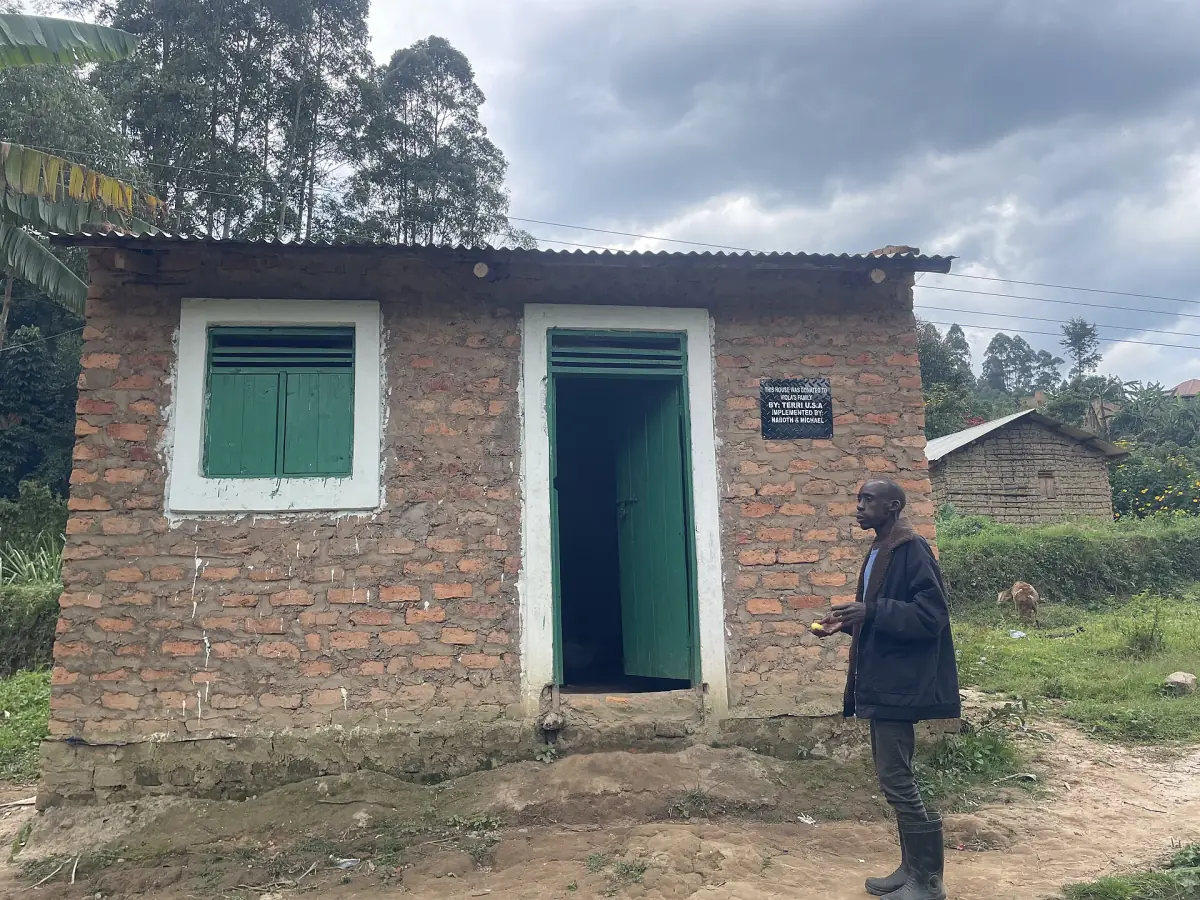
The Batwa were removed from the forest when the park was created in 1991. See the page on the Batwa for the history and today's situation.
Who manages the park today?
The Uganda Wildlife Authority (UWA). For current rules and fees, check with UWA or your operator before you book.