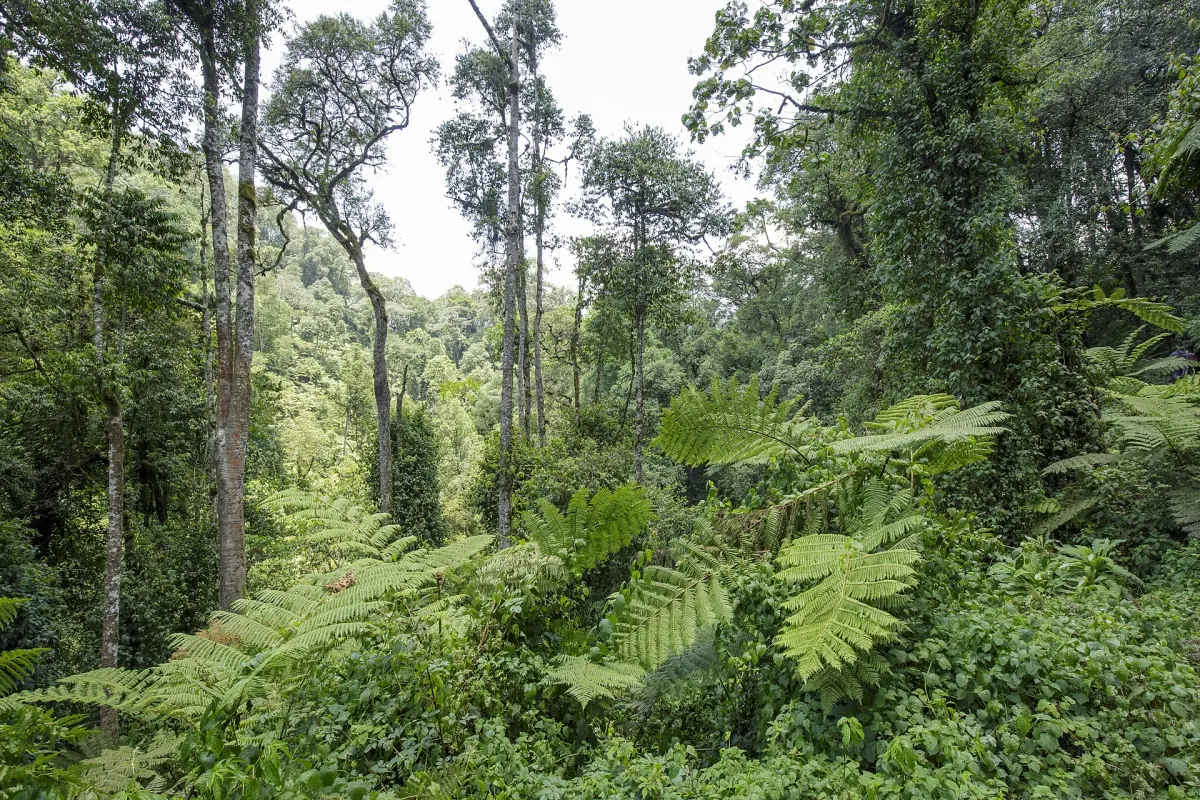
The Batwa people of Bwindi
The Batwa are an Indigenous people of the forests of southwest Uganda. For generations the Bwindi forest was their home, their source of food and medicine, and a place of spiritual meaning. When the forest became protected, they lost the right to live in it. Today most Batwa live in settlements at the forest edge.
Many visitors come to Bwindi for gorillas and meet the Batwa only through a short cultural visit. This page gives the background first, so a visit is not just a performance. If you are planning the gorilla part of your trip, start with gorilla trekking in Bwindi.
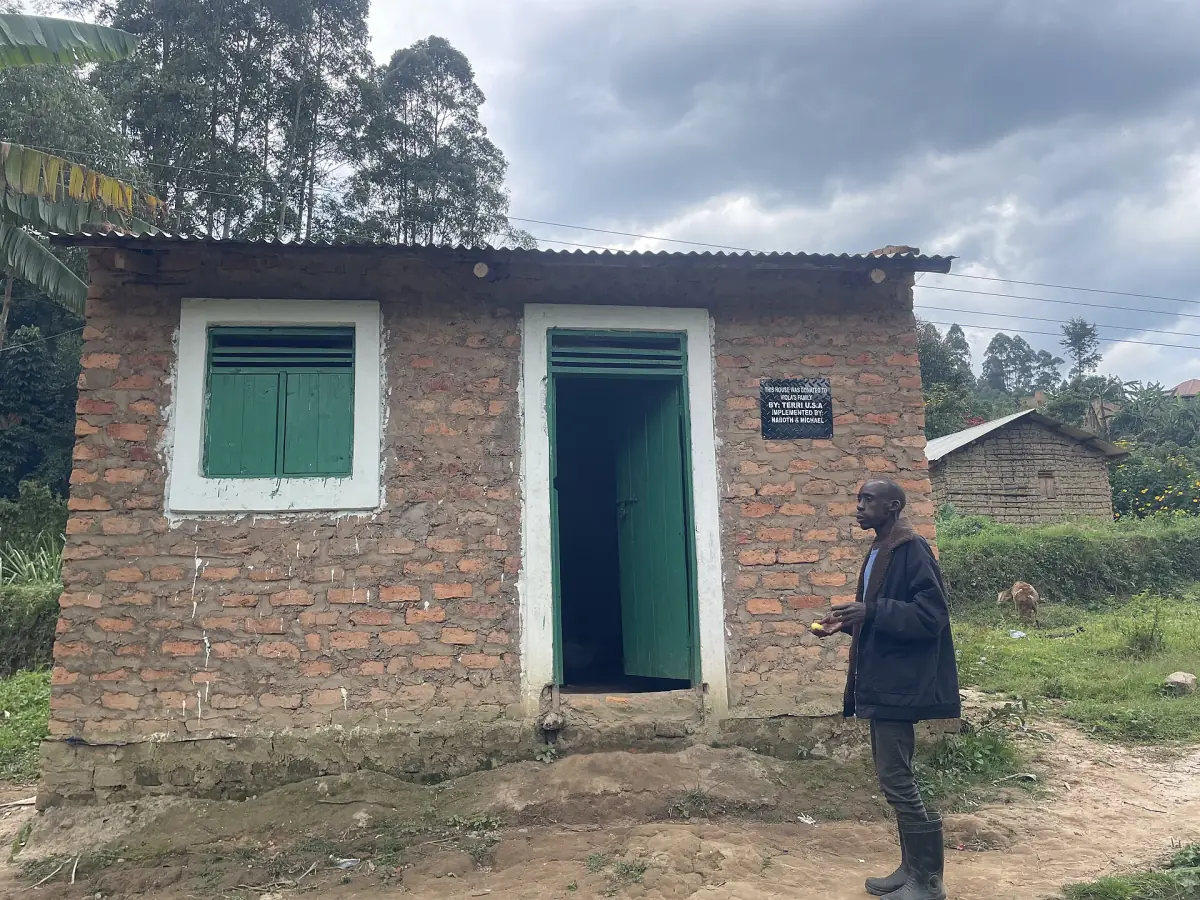
Batwa history: from the forest to the forest edge
What happened and what is still open.
Restrictions on using the forest began in the 1930s. The final removal came with the creation of the national park in 1991. After that, the Batwa had no land of their own and settled at the edge of the forest, often as landless families. Batwa organisations say people were evicted in 1991 without compensation or formal resettlement, and that access to places of worship in the forest is restricted.
Land purchases and aid programmes exist, but they are not a settled compensation for all families. Questions about land and about a fair share in tourism income remain open, and participation is uneven. This is a living issue, not only history.
Our pick: a Batwa cultural visit
A visit led by Batwa community members, offered as a cultural programme rather than a leisure activity.
Hand-picked tours, booked through GetYourGuide. Prices are indicative starting prices in US dollars (as of October 2026). Tap a tour for live availability and the current price in your currency.
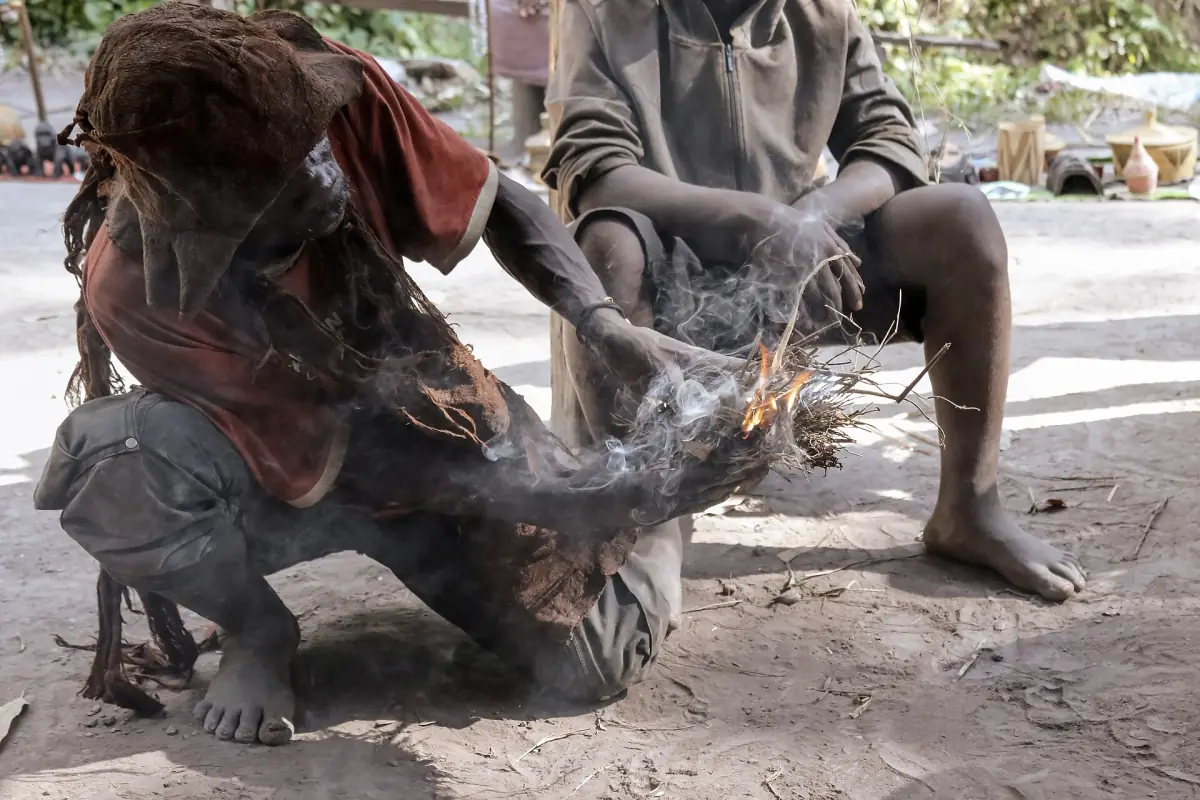
Bwindi tours and gorilla trekking
Guided trips to the forest. Check each listing for what is included, since cultural visits are usually booked separately.
Batwa and the word pygmies
How the people are named.
Outsiders often called the Batwa and other forest peoples pygmies. That was an outsider's label. Some Batwa organisations use it in English themselves, and views differ, so this site simply says Batwa, which is the name the people use for themselves. When you meet Batwa guides and hosts, follow how they introduce themselves.
Batwa cultural visits near Bwindi and Mgahinga
What exists and what it costs.
UWA and the Batwa manage forest experience trails together, started in April 2019. In the Buhoma area, the arrangements for forest experiences are still developing, so ask before you go which activity is running and who guides it. A community programme in Buhoma also runs visits and income projects. Prices for private visits change, so ask for the amount in advance.
The Batwa trail is priced as a separate activity in the UWA tariff (July 2024 to December 2026). Check the current amount before booking.
| Batwa trail | Foreign non-resident | Foreign resident | East African citizen | Park entry |
|---|---|---|---|---|
| Bwindi | $40 | $40 | UGX 40,000 | Extra |
| Mgahinga | $80 | $70 | UGX 50,000 | Included |
Book the trail in advance. For most visitors the Bwindi trail is the better fit if you are already trekking in Buhoma; the Mgahinga trail fits a stay near Kisoro. See the Mgahinga guide for that side.
Visiting with respect
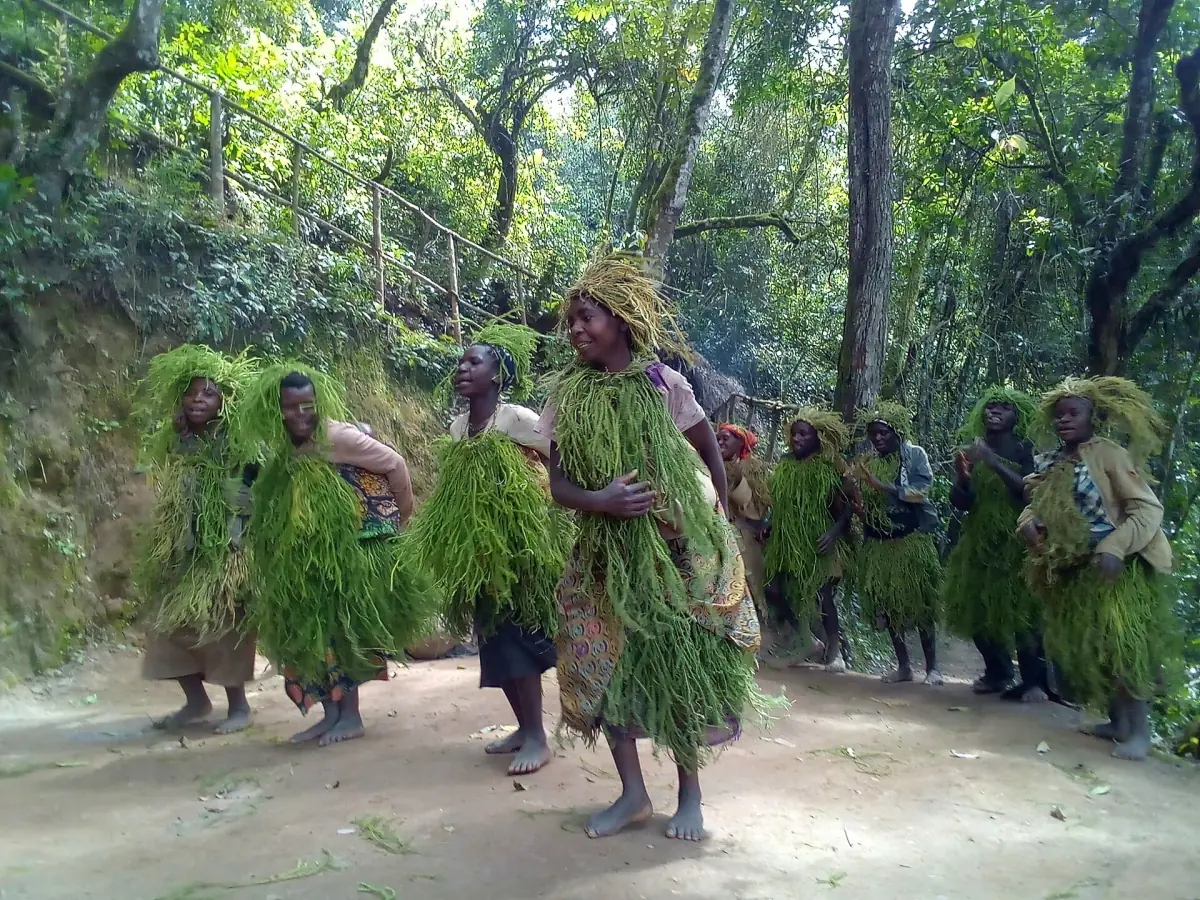
A cultural visit is a conversation with people whose land was taken, not a show. Come with time to listen, ask questions and let your hosts decide what to share. Ask before you photograph anyone.
Visitor fees do not automatically reach every Batwa household. Participation is uneven, so choose a visit where you can ask who guides it and how the community takes part.
Plan the rest of your trip
The forest and its history.
The Batwa of Bwindi: frequently asked questions
Who are the Batwa?
The Batwa are an Indigenous forest people of southwest Uganda who lived in and from the Bwindi forest for generations.
Why did the Batwa leave the forest?
They were removed when the national park was created in 1991, after earlier limits from the 1930s. They then settled at the forest edge, mostly without land of their own.
Were the Batwa compensated?
Batwa organisations say no formal compensation or resettlement followed the 1991 eviction. Land purchases and support programmes exist, but they are not a full settlement.
Is the word pygmy acceptable?
On this site we use Batwa. Pygmies is an outsider's label, though some Batwa organisations use the word themselves. Follow the term your hosts use.
How much does a Batwa trail cost?
In the UWA tariff for July 2024 to December 2026, the trail costs $40 in Bwindi, park entry extra, and $80 in Mgahinga, entry included, for foreign non-residents. Check the current amount before you book.
Does my fee go to the Batwa?
That depends on the visit. Fees are not promised to reach every Batwa household, so ask who runs the visit and how the community shares in it.